


Crime prevention is mostly about removing easy opportunities. Most property crime is fast, low-risk, and opportunistic. If your home looks visible, active, and slightly more difficult than the next option, you dramatically reduce the odds of being targeted.
This guide focuses on practical, low-cost steps that create that effect. You can do many of these in a weekend, and none of them require turning your home into a fortress.
The prevention playbook in four moves
- Increase visibility : Lighting and clear lines of sight matter most.
- Lock down entry points : Doors and frames are the usual weak links.
- Show signs of life : Small signals beat expensive gear.
- Create community awareness : Shared info reduces blind spots.
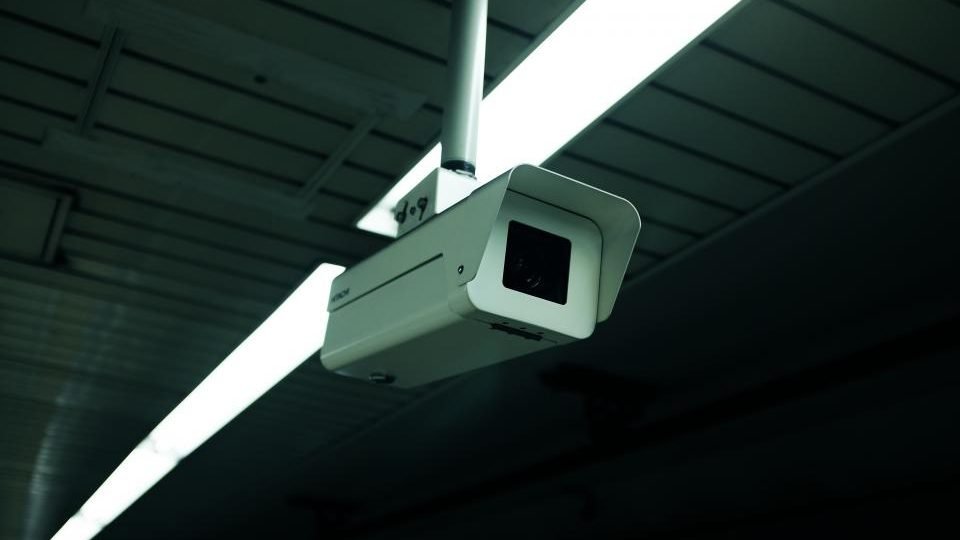
How criminals size up a home
People who commit break-ins usually look for the same few signals: easy access, low visibility, and uncertainty about whether anyone is home. The most common pathways are still doors and ground-floor windows because they are fast and quiet to approach. The goal is to make every approach feel exposed and every door feel tough.
At a recent risk assessment and analysis seminar, our crime prevention desk highlighted a simple framework: reduce exposure, increase effort, and shorten response time. The rest of this guide follows that same logic.
What they notice first
- Dark entry points with no lighting.
- Overgrown shrubs that create hiding places.
- Packages, full mailboxes, or no visible activity.
- Weak doors or visible damage to frames and locks.
Visibility and lighting
Lighting is one of the highest return upgrades you can make. It is cheap, fast to install, and works every night without effort. Focus on the places someone would stand if they were testing doors.
- Motion-activated floodlights on front and rear entry points.
- Landscape lighting that removes deep shadows near windows.
- Timers for interior lamps to create evening activity.
Trim shrubs below window height and avoid tall fences that block neighbors from seeing your front door. A yard that feels visible is a yard that feels risky to approach.
Signals that suggest someone is home
You do not need to fake a party to show activity. Small, consistent signals work best.
- Lights that turn on at predictable times.
- Trash bins that return to storage quickly after pickup.
- A car that moves occasionally or is parked in different spots.
If you travel, avoid announcing your absence in public posts. Share vacation photos after you return.
Entry-point discipline
Most break-ins start with a fast test: a quick pull on a door handle or a push on a window. Make those tests fail.
- Always lock doors, even when you are home.
- Reinforce strike plates with long screws that reach studs.
- Use a dowel or bar in sliding door tracks.
For a deeper walkthrough of entry hardware, read Deadbolt Myths & Grade 1 Locks.
- Well-lit entries reduce attempts
- Locked doors stop quick tests
- Trimmed shrubs remove hiding spots
- Simple routines create consistent signals
- Dark side yards invite quiet approach
- Unlocked doors are the most common entry
- Overgrown landscaping creates cover
- Too many alerts lead to ignored notifications
Use your layout to your advantage
Every home has natural chokepoints. Focus your deterrents and sensors on the places someone must pass to reach the door or a window.
- Driveways and walkways: add lighting and clear visibility.
- Side yards: reduce hiding spots and add a motion light.
- Back doors: treat these like primary entries, not afterthoughts.
If your home has a detached garage or alley access, treat those as separate perimeters with their own lighting and alerts.
Street-level audit you can do today
Take five minutes and stand across the street from your home. You will see what a stranger sees. Note the dark zones, hidden doors, and places where someone could stand without being seen.
- Can you see every entry point from the street?
- Are there deep shadows or tall shrubs near doors?
- Does your front door look active or abandoned?
Community awareness without fear
Neighborhood awareness is about sharing information, not creating panic. A simple text thread among a few neighbors can reduce blind spots and help confirm when something looks off.
When you notice suspicious activity, keep notes: time, vehicle description, direction of travel. If the pattern repeats, that information can help a local officer take action.
Digital tools that help
Smart doorbells and shared camera networks can be useful, but only if alerts are configured. If you receive too many notifications, you will ignore all of them. Keep zones tight and limit alerts to high-value areas like the front door and driveway.
For a renter-safe next step after visibility, use the apartment entry checklist or the door reinforcement guide.
Family and household routines
Crime prevention is easier when everyone follows the same habits. Keep these routines simple so they stick.
- Do a quick lock check before bed and before leaving.
- Keep spare keys hidden from view and avoid obvious fake rocks.
- Use a shared calendar so travel absences are known internally, not publicly.
Keep household routines simple enough that everyone can do them without drama: lock checks, delivery pickup timing, and one shared contact list beat elaborate drills most households never repeat.
Vehicle and travel safety
Driveway and vehicle security are an extension of your home plan. Cars are often targeted for quick, quiet theft, which can turn into a home break-in if you keep garage door openers inside.
- Remove valuables and garage remotes from view.
- Park in a well-lit area when possible.
- Use a steering wheel lock when street parking overnight.
Fast checklist for the next 48 hours
- Add or repair exterior lighting on front and back entry points.
- Lock all doors, then check every handle from the outside.
- Trim shrubs and remove hiding places near windows.
- Turn on a couple of interior lamps with timers.
- Make a short neighbor contact list for quick verification.
Monthly maintenance checklist
- Test exterior lights and replace failed bulbs.
- Review camera angles for blocked views or seasonal growth.
- Check door and window sensors for low batteries.
- Rehearse your response plan with household members.
When you notice suspicious activity
Stay calm and document what you can without engaging. If a pattern repeats, report it through the non-emergency line so it is on record.
- Write down time, location, and vehicle description.
- Share details with neighbors so they can confirm patterns.
- Save relevant camera clips in a separate folder.
Final thoughts
Crime prevention does not require fear or expensive gear. It requires visibility, consistency, and small habits that make your home a less attractive option. When in doubt, fix the basics, then build layers with our 7-layer home security plan.