

Most break-ins are not movie-style heists. They are fast, opportunistic, and aimed at homes that look easy. A single camera or smart lock can help, but the real advantage comes from layering simple defenses that work together: make your home look difficult, slow down entry attempts, and trigger fast alerts if something goes wrong.
This guide lays out a seven-layer framework you can adapt to any home, budget, or schedule. You can build it gradually. The goal is not perfection, it's consistent friction that pushes would-be intruders elsewhere.
The 7-layer blueprint at a glance
- Deter & delay : Make your home look like a hard target.
- Perimeter awareness : Spot activity before it reaches your door.
- Entry hardening : Reinforce doors, frames, and windows.
- Interior detection : Place sensors where movement must happen.
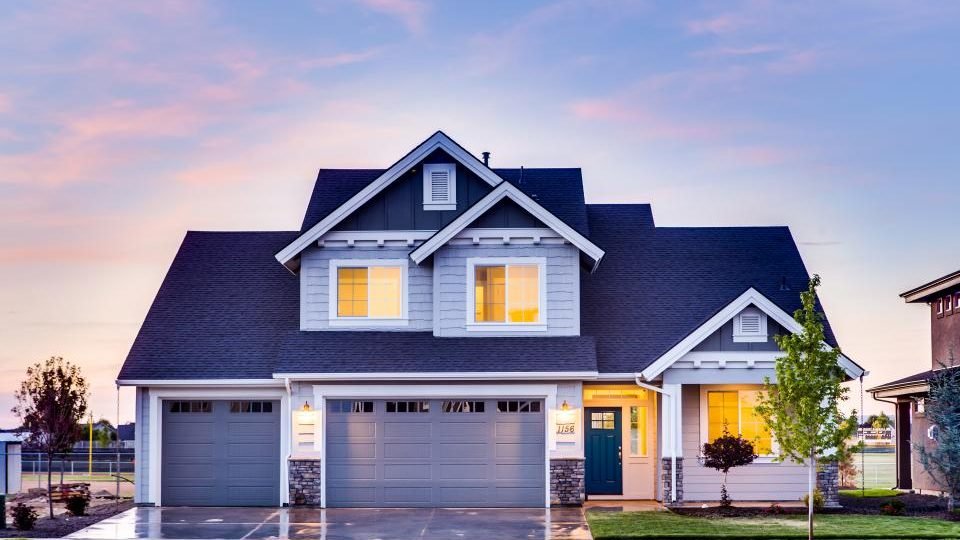
The seven layers of home defense
Think of your system like a stack. Each layer adds another reason to turn around or another signal that reaches you faster. You can start with one or two layers today, then fill in the rest over time.
At a recent risk assessment and analysis seminar, our security desk summarized a useful framework: identify your biggest exposure, add friction to slow it, then plan how you will respond. These layers follow that exact path.
Layer 1: Deter & delay
Deterrence is mostly about psychology. Clear sight lines, obvious lighting, and visible signs of security make a home feel risky. Delay is physical: anything that slows entry gives you more time to react.
- Use motion lights on front, side, and rear entry points.
- Keep shrubs trimmed below window height.
- Place basic alarm signage or decals where they can be seen.
Layer 2: Perimeter awareness
Your yard and driveway are an early warning zone. The goal is to notice activity before someone reaches the door.
- Install driveway or gate alerts if you have a long approach.
- Use gravel or surface changes that create sound.
- Position cameras so they cover approach paths, not just the doorbell view.
Layer 3: Entry-point hardening
Most forced entries succeed because doors, frames, or locks are weak. Strengthen the full assembly, not just the lock.
- Upgrade front and rear doors to ANSI Grade 1 deadbolts.
- Use 3-inch screws in strike plates and hinges.
- Reinforce sliding doors with dowel rods and pin locks.
For a deeper dive, see our Grade 1 lock guide and the door-frame reinforcement checklist inside it.
Layer 4: Interior detection
If someone gets past the perimeter, detection inside should be immediate. Place sensors where people must pass, not just where you think they might.
- Use motion sensors in hallways and high-traffic interior routes.
- Add glass-break sensors for ground-floor windows.
- Keep at least one camera facing the main hallway or stairwell.
Layer 5: Monitoring and automation
Smart monitoring gives you a single view of what's happening, whether you're home or away. Start simple and expand as needed.
- Choose a hub that supports door sensors, motion sensors, and cameras.
- Set automations to turn on lights when sensors trigger.
- Use distinct alert tones for different zones.
For a renter-first equipment filter, use the renter security buyer's guide after you know which entry point needs the most help.
Layer 6: Response and support
Response is the moment you turn signals into action. A loud alarm helps, but a plan matters more.
- Decide when you call neighbors versus emergency services.
- Keep a quick-respond checklist on your phone.
- Keep one bedroom phone charger, a bright flashlight, and a short response checklist where you can reach them fast.
Layer 7: Habits and training
Security habits are low-cost and high-impact. The difference between a locked door and an unlocked door is often routine, not equipment.
- Lock doors when home, not just when leaving.
- Keep travel details off public social posts until you return.
- Practice a short household lock-and-alert routine twice a year so everyone knows what happens if an alert fires.
Quick 15-minute home audit
Use this short walk-through to identify your highest-impact fixes. You can complete it before dinner:
- Check every exterior door for a deadbolt and tight strike plate.
- Stand at the street and count how many entry points are visible.
- Note which doors and windows are hidden from neighbors.
- Confirm outdoor lighting covers the front door, back door, and garage.
- List one habit you can adopt immediately (locking, timers, or lights).
If you only do one thing this week, make it visibility. Trim landscaping, add one motion light, and make your front entry feel active.
- Most fixes cost little or nothing
- Small changes compound quickly
- You can stage upgrades over time
- Routines reduce risk even without gear
- Skipping locks and frames reduces the impact of cameras
- Inconsistent habits create weak points
- Poor sensor placement leads to false alarms
- Trying to do everything at once causes burnout
Starter plan: build the layers over one month
You don't need to do this all at once. A staged plan keeps it affordable and sustainable.
Week 1: Visibility and deterrence
Add motion lighting, trim shrubs, and place visible signage. This week is about making your home look actively monitored.
Week 2: Entry hardening
Upgrade deadbolts and reinforce strike plates. If you can only do one door, start with the door used most often by guests or delivery drivers.
Week 3: Detection and alerts
Add door sensors, motion sensors, and at least one interior camera. Test alerts and adjust placement to reduce false alarms.
Week 4: Response and habits
Create a short response plan, choose who gets alerts, and run a quick family drill so everyone knows what to do.
Apartment and renter adaptations
Renters can still build a strong system without drilling holes. Focus on portable layers: battery cameras, door braces, window alarms, and automation through smart plugs. You can still create a response plan and run quick drills without changing the unit.
Common mistakes that weaken the stack
- Buying cameras before reinforcing doors and frames.
- Placing sensors where pets or HVAC vents trigger false alerts.
- Using smart locks but never enabling auto-lock.
- Skipping lighting on side and back access points.
When in doubt, invest in strength and visibility first. They reduce risk the fastest and make every other layer more effective.
Starter gear to lock in the seven layers
Category links only - swap in affiliate IDs later. These picks map to deterrence, hardening, and detection.
Schlage Encode Plus Smart WiFi Deadbolt (ANSI Grade 1)
Grade 1 bolt with built-in Wi-Fi, auto-lock, and audit trails so you know who unlocked and when.
- Certified Grade 1 strength with reinforced strike hardware
- Auto-lock and code-based access for guests and cleaners
- Works without a hub; pairs with Apple Home, Alexa, and Google
Ring Floodlight Cam Wired Pro
Combines 2000-lumen lights, radar motion, and 1080p HDR video for fast deterrence and evidence.
- Radar-powered motion to cut false alerts
- Loud siren plus two-way talk to stop prowlers early
- Integrates with Ring Alarm and Alexa routines
Aqara Water Leak Sensor (HomeKit/Thread)
Battery-powered leak sensor that texts you before a water heater or washer ruins a room.
- Thread and Zigbee options for reliable, low-battery alerts
- IP67 sealed housing for basements and crawl spaces
- Triggers automations like shutting off a smart valve
Bring it all together
Layered security is about consistency, not fear. Start with two or three high-impact fixes, then build from there. Your goal is a home that feels visible, hard to breach, and quick to alert you when something is off.
If you want a renter-first next step, use the priority planner. If you want a strategy-focused guide without buying more gear, read Crime Prevention: Outsmart Burglars.