
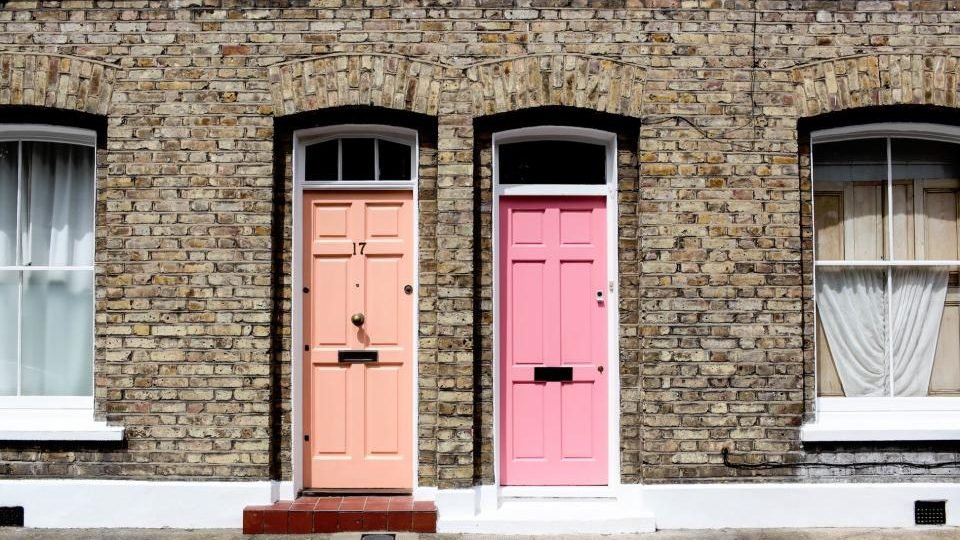

Renters often feel stuck with the security setup that came with the unit. The reality is that most meaningful upgrades are portable and reversible.
The preparedness desk started outlining renter upgrades after a friend moved into an apartment where the door had a weak latch and the windows did not lock. The fixes were simple, but no one had put them in a clear, lease-friendly checklist.
This guide gives you the best upgrades you can do today without violating a lease.
Start by skimming your lease for language around drilling, locks, and cameras. Most property managers allow reversible changes and will approve a few upgrades if you ask first.
- Ask about rekeying, strike plate upgrades, and door viewers.
- Confirm whether doorbell cameras or mounts are allowed.
- Get approvals in writing if possible, even by email.
Renter upgrades at a glance
- Door strength : Portable tools that add real resistance.
- Window control : Limit openings and add sensors.
- Visibility : Cameras and lights without drilling.
- Digital layer : Protect the Wi-Fi that powers it all.
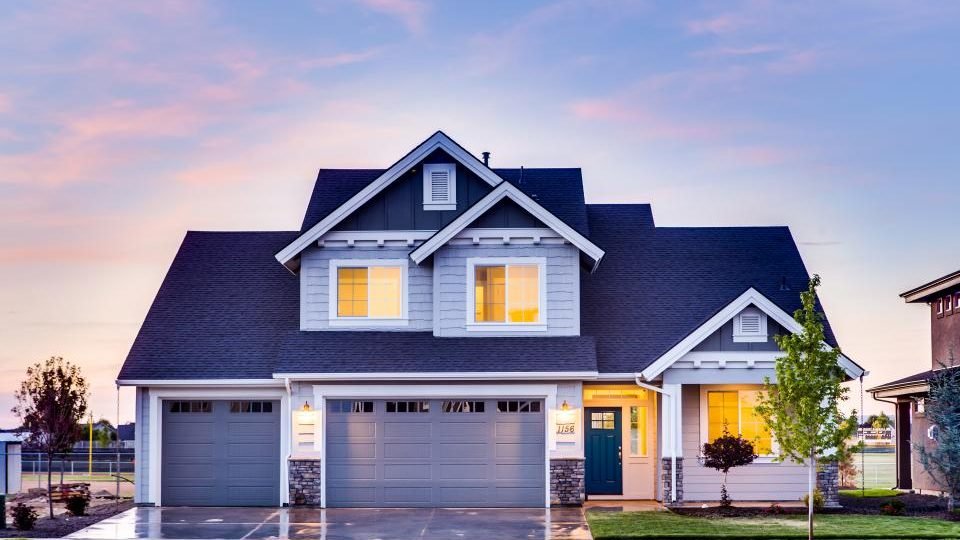
Move-in security walkthrough
Do a quick audit on day one so you know where the weak points are. Ten minutes here saves money later.
- Check that every exterior door closes and locks cleanly.
- Test every window latch and note which ones feel loose.
- Look for blind spots in hallways, patios, and shared entries.
Take a few photos of weak locks or damaged frames and send them to the landlord early. It makes repairs easier to request and documents the condition you moved into.
1. Door upgrades that do not require drilling
The main door is the first priority. You can add resistance without touching the frame.
- Use a door jammer or security bar that wedges under the knob.
- Add a door alarm that uses adhesive mounting.
- Ask your landlord about rekeying or adding a deadbolt if allowed.
If the lease allows small changes, a stronger strike plate and longer screws make the biggest difference. Use removable options if you are unsure.
2. Window control without permanent changes
Window upgrades are low-cost and usually allowed if they are removable.
- Install window stoppers or adjustable limiters.
- Use stick-on contact sensors on ground-floor windows.
- Apply removable privacy film on lower panes.
3. Sliding doors need extra layers
Patio sliders are common in rentals and are easy to force. Add two layers.
- Place a dowel or security bar in the track.
- Use a pin lock or adhesive sensor to prevent lifting.
4. Balcony and patio checks
Upper floors feel safer, but balconies and shared stairwells still create access points.
- Keep balcony doors locked even when you are home.
- Do not store ladders or patio furniture that can be used for climbing.
- Use a small camera or sensor if your balcony is shared or accessible.
5. Add calm visibility
One or two sight lines are enough for most apartments.
- Use a no-drill doorbell mount if your door supports it.
- Place one indoor camera facing the entryway.
- Keep alerts quiet by limiting motion zones.
If you prefer a no-camera option, use a simple door chime or contact sensor to alert you when the door opens.
- Place the chime on the main entry and keep it subtle.
- Use silent alerts during the day and audible alerts at night.
6. Use renter-friendly lighting
Lighting is a cheap deterrent and rarely violates leases. Use plug-in options instead of hardwiring.
- Swap the porch light for a motion-sensing bulb if allowed.
- Use smart plugs to turn lamps on and off while you are away.
- Keep hallways and patios well lit so entry attempts feel exposed.
7. Protect the digital layer
Your Wi-Fi network powers most renter-friendly devices. Lock it down.
- Use a unique Wi-Fi password and update router firmware.
- Enable two-factor authentication for security apps.
- Create a guest network for smart devices when possible.
Keep device accounts separate from shared email logins. Remove access for old roommates or guests as soon as they move out.
8. Safe habits that reduce risk
- Do a quick door and window check before bed.
- Pick up deliveries quickly to avoid porch theft.
- Use timers or smart plugs to make the unit look occupied.
Secure valuables without permanent installs
Keep passports, cash, and backups in a small fire-resistant box or portable safe. You can cable it to heavy furniture without drilling into walls.
9. Package safety for shared entryways
Apartments and multi-unit buildings need a plan for deliveries. Reduce time on the porch and use trusted handoffs.
- Use carrier pickup points for expensive deliveries.
- Ask a neighbor or leasing office to accept packages.
- Set delivery alerts so you can grab items quickly.
- Portable upgrades that move with you
- Low cost and minimal tools
- Improves safety without lease drama
- Pairs well with renter insurance
- Limited ability to reinforce frames
- Some landlords restrict door camera mounts
- Shared hallways reduce privacy
- Wireless devices need steady Wi-Fi
Starter plan for the first week
Day 1: Entry and window basics
Add a door jammer and window stoppers on the most accessible windows.
Day 3: Visibility and alerts
Install one camera and set motion zones to avoid alert fatigue.
Day 5: Digital hygiene
Update the router and change Wi-Fi passwords.
Day 7: Routine check
Run a quick checklist and adjust what feels annoying or noisy.
Wrap-up
Renter security does not require construction. The best upgrades are portable, repeatable, and easy to remove. Start with the door, add window control, and keep your digital layer strong.
Pair this guide with the full Renter Security Guide for a step-by-step plan.